Synarchy and Relational Presence
with bodyCare
— and presence becomes the leader.
Imagine two people sitting together, like when you sit with someone who really loves you.
Nobody is telling the other what to do.
They're just feeling together.
Like when you both sit quietly, and suddenly you start smiling at the same time.
Or when someone hugs you, and your whole body feels calm.
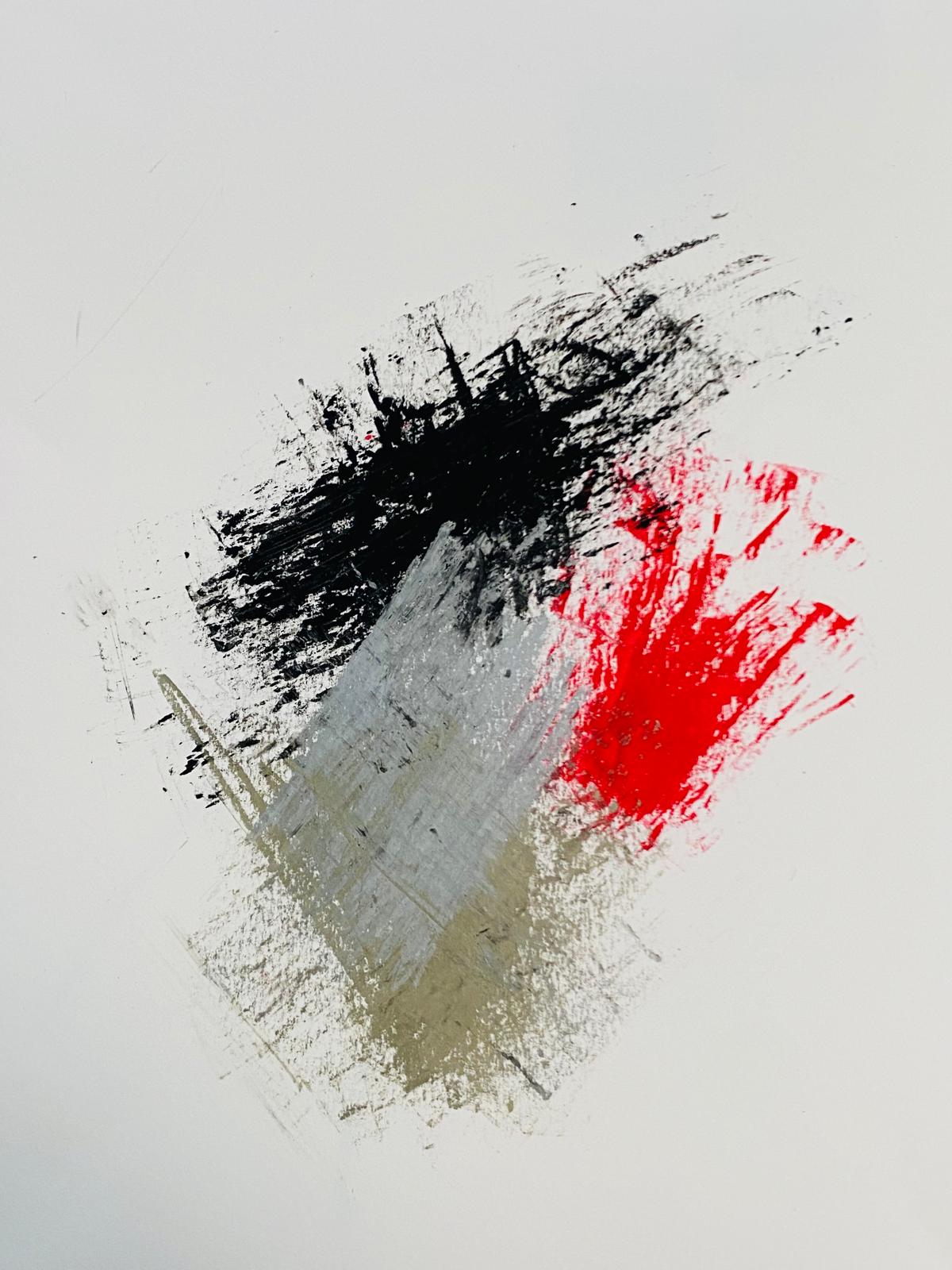
(Image: Junyan Liu)
That’s what happens when your body and their body talk to each other without using words.
No one is the boss.
You just listen to each other with your whole body.
And you both feel better — not because someone “fixed” it, but because you were together in a kind way.
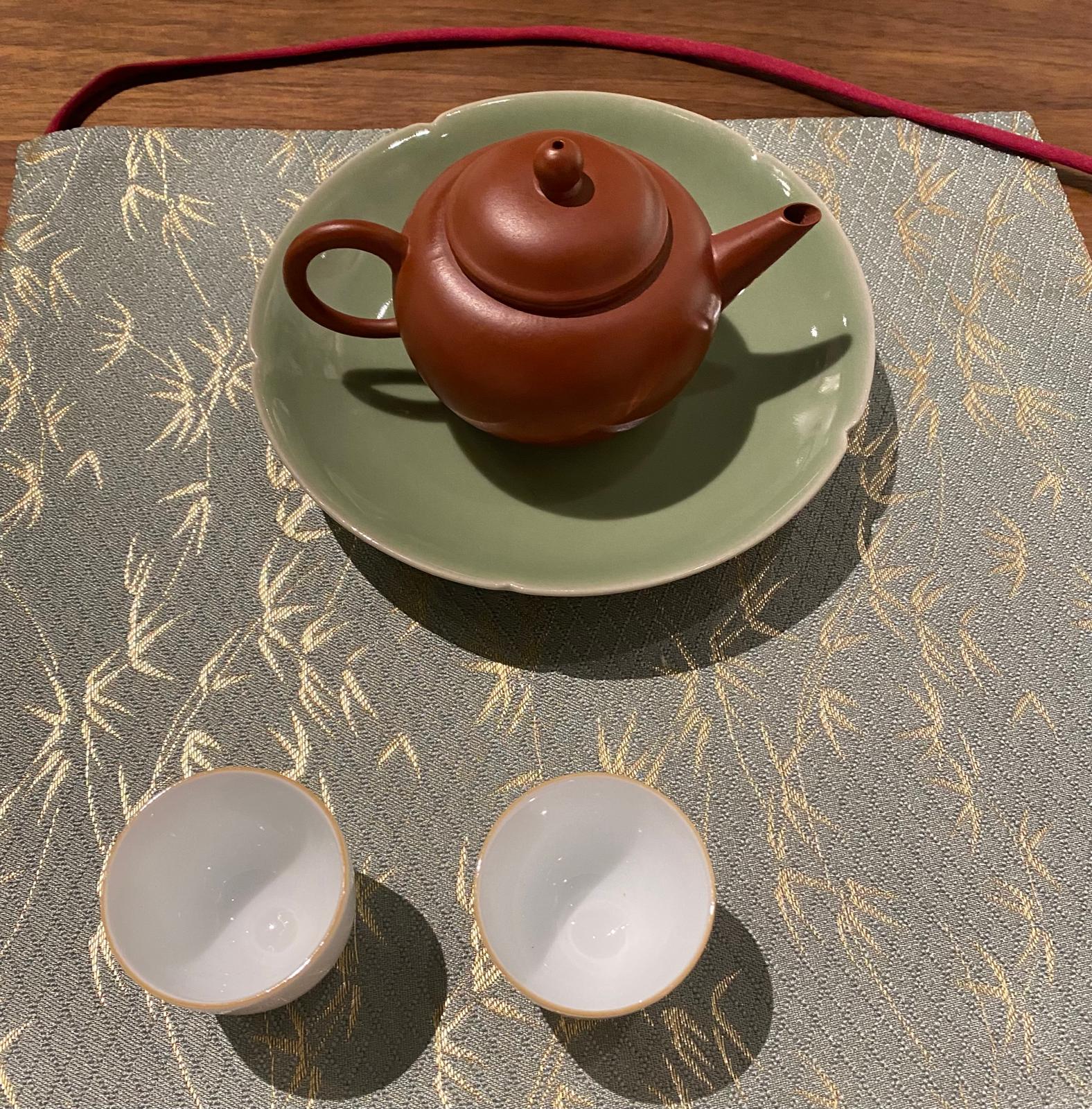
Relational presence is not a technique. It’s a mutual field.
Embodied synarchy, in this context, means shared regulation without dominance.
No nervous system takes control.
No strategy dictates the moment.
Instead, intelligence emerges from attunement.
It’s like a flock of birds turning in midair — not because one leads and others follow, but because they’re listening together in motion.

In relational presence:
Power is distributed across sensation, attention, and contact.
Boundaries are porous, yet alive.
Safety is not enforced, but felt.
Adjustment happens continuously, not as a correction, but as a dance.
When we relate synarchically, we are not trying to change the other.
We are not regulating them.
We are not fixing ourselves.
We are making space for life to self-organize, in and between us.
This is mature nervous system ecology:
a living field where regulation comes from connection, not control.