Why being ONE with our Land
supports our nervous system
Norsk: Landet regulerer nervesystemet
Modern environments overload the senses.
OUR land slows everything down to a biologically meaningful rhythm.
Research shows
AS Spiral Architecture terms:
Land helps learners enter Anchor → Ray, the phases of grounding and orientation.
Norsk: Landet gjenåpner sosial tilknytning
When OUR body feels held by OUR land, it becomes easier to be with others.
Social engagement—sosialt engasjement—comes online.
OUR land co-regulates the group.
A calm environment creates calm bodies, which creates a calm relational field.
In Spiral terms:
Land strengthens Spiral, the phase of adaptive relational movement and attunement.
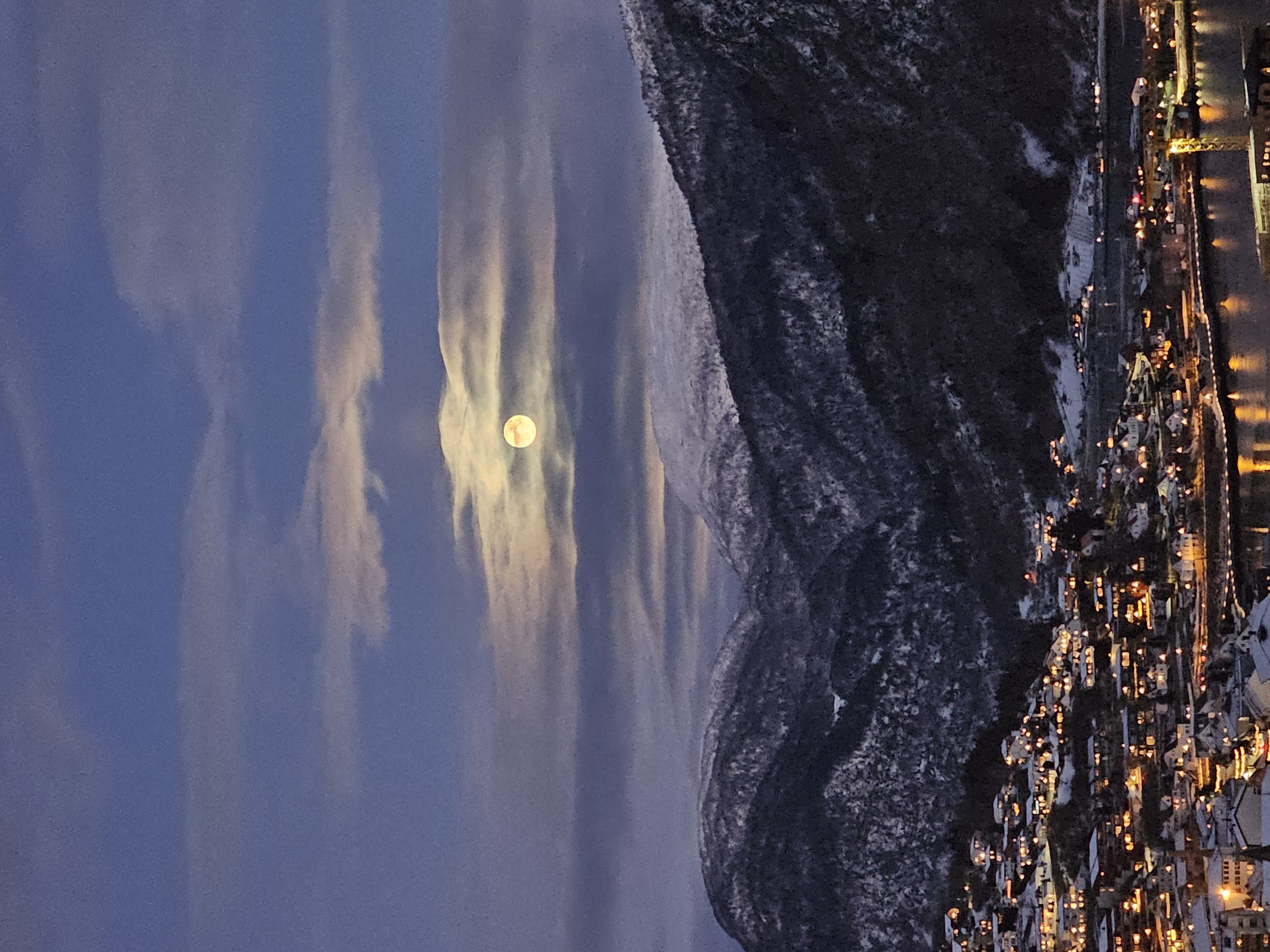
Norsk: Landet utvider identitet og reduserer skam
Seeing nervous system states as natural climates shifts the inner narrative from:
“Jeg er ødelagt” | | "I am broken" → “My body is in Winter Ice.”
“I am failing” → “My system is conserving energy.”
Ecology reframes experience.
Identity widens,
shame softens,
compassion grows.
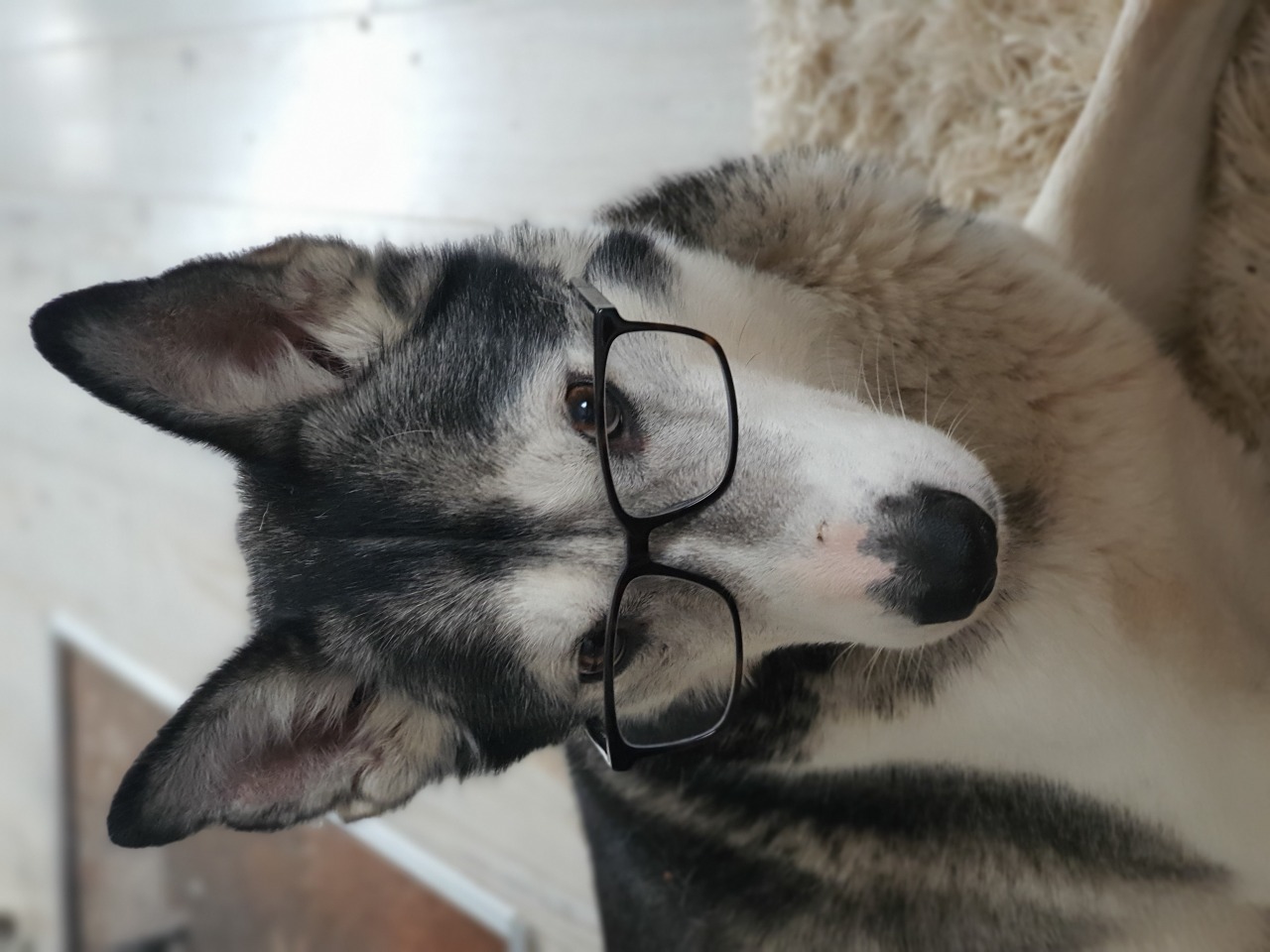
In Spiral terms:
Land supports Sphere, the phase of expansion, coherence, and belonging.

According to Mezirow, transformation requires:
A change in self-perception
Reframing assumptions
Integrating new meaning
Land accelerates this process because it:
grounds OUR body (Anchor)
restores coherence (Ray)
supports relational safety (Spiral)
opens systemic awareness (Sphere)
Transformation becomes felt, not just conceptual.
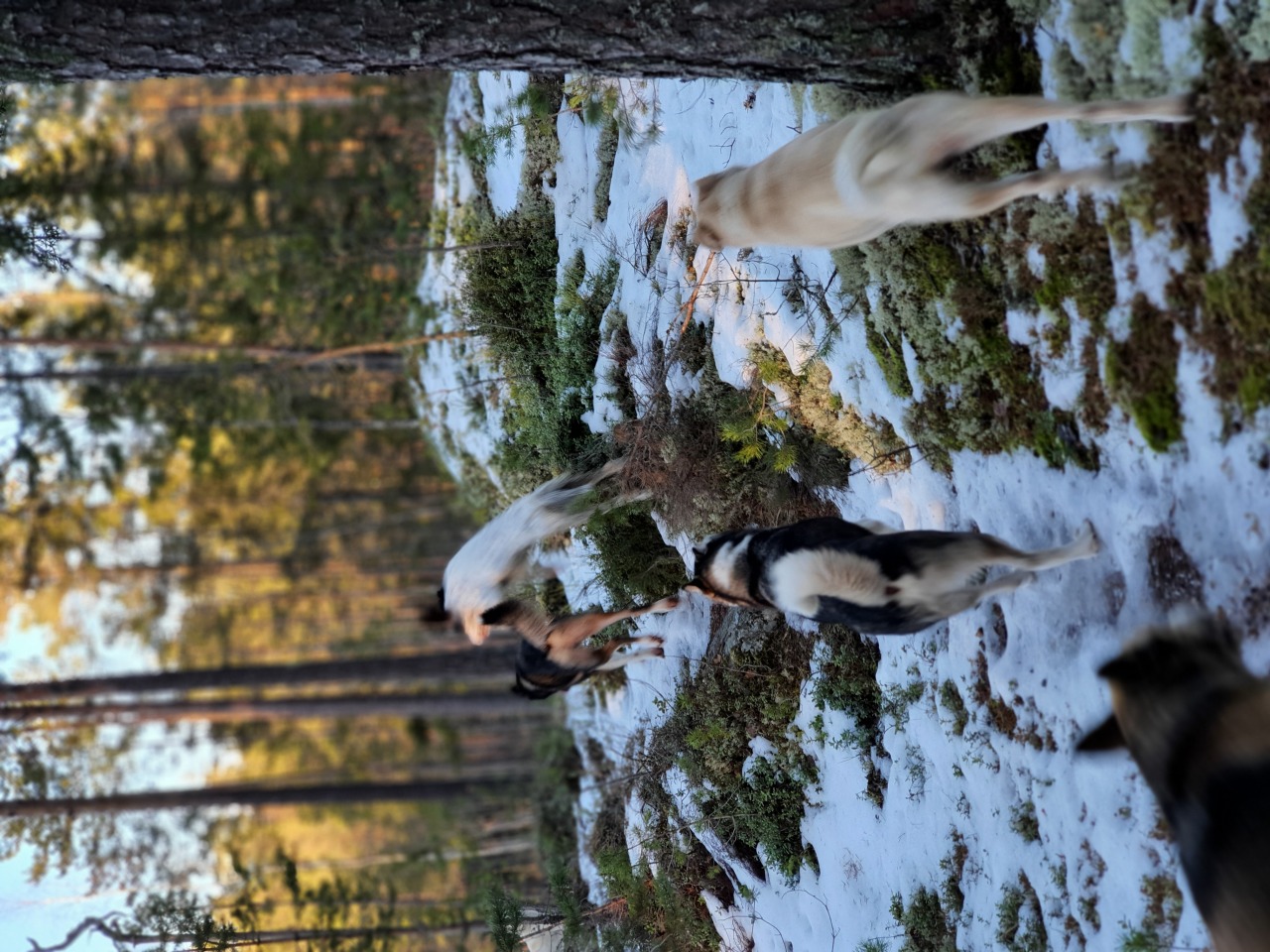
Indigenous scholars teach that identity arises between person and place,
not inside the isolated individual.
Being one with the land reawakens:
reciprocity (gjensidighet)
humility (ydmykhet)
ecological empathy (økologisk empati)
natural rhythm (naturlig rytme)
OUR nervous system becomes an organ of perception again—not only protection.
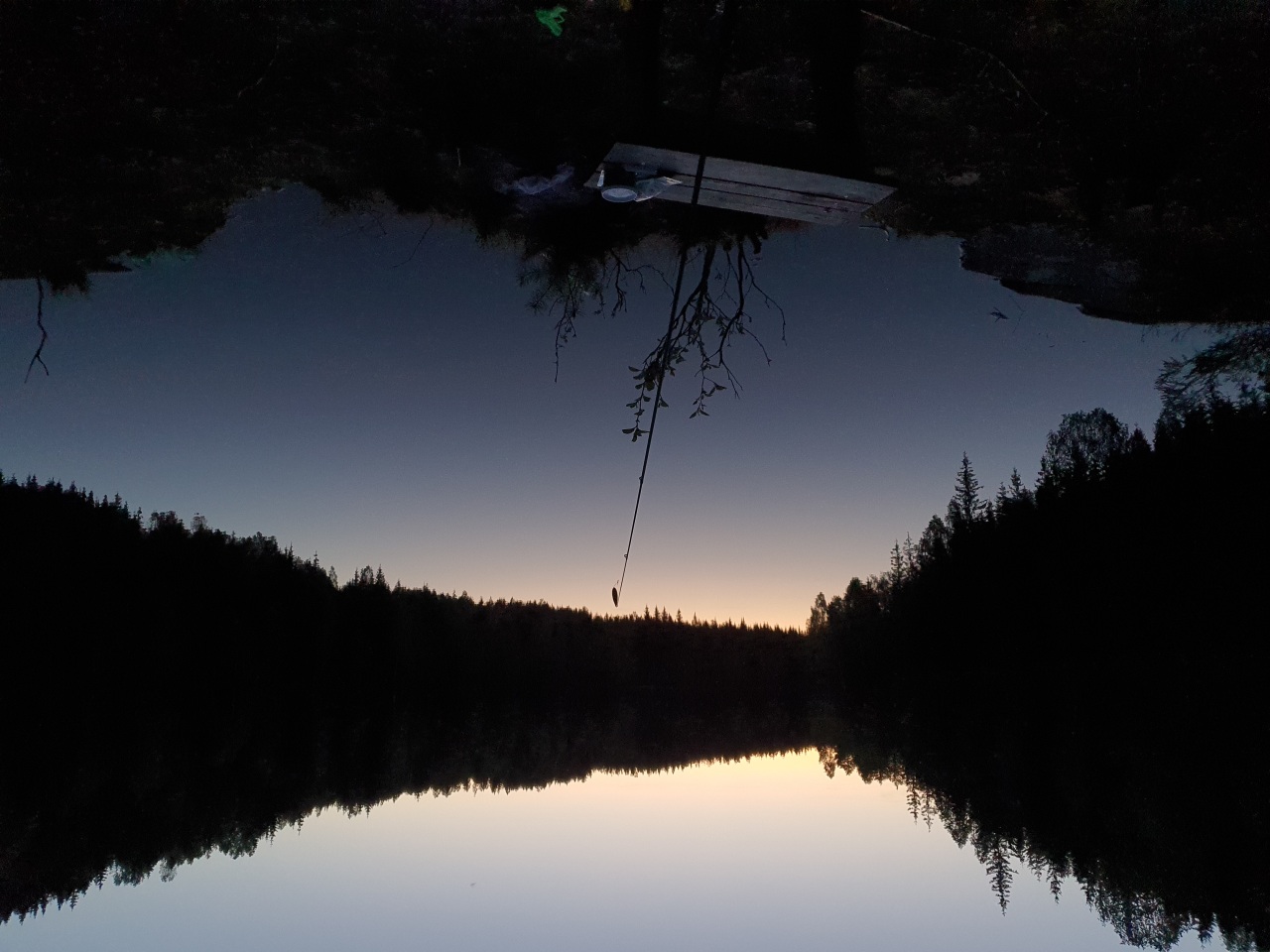
Trauma-informed learning environments prioritize:
safety
connection
context
dignity
attunement
meaning
Being ONE with the land provides all six.
Students move from:
“Jeg passer ikke inn.” / I don’t belong here.”
to
“Jeg er en del av dette stedet.” / I am part of this place.”
This is not romanticism.
This is pedagogy.
A pedagogy where land is OUR co-teacher.
OUR safe place where OUR home lives within OUR body